 Baseball Cap Organizer 2 Pack, Adhesive Wall Mount Hat Holder For Up To 20 Caps, Space Saving Hat Storage Rack
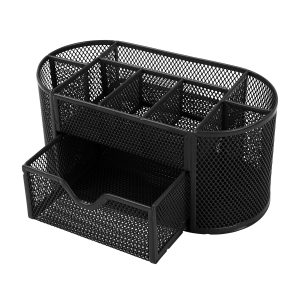 1Pc Metal Mesh Pencil Holders Desk Organizer With 9 Compartment Pen Holder Storage
 Business Leather Document Organizer
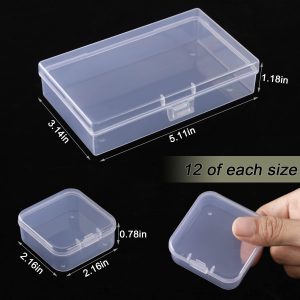 24 Pcs Mixed Sizes Clear Plastic Storage Containers, Small Rectangular Storage Organizer With Lid,Beads Storage Box For Storage Beads, Crafts, Jewelry, Clay, Crayons, Pins,Sewing, Cards
 Bath Corner Shower Shelves Adhesive Caddy, Wall Mounted, No Drilling Racks Shower Organizer Basket, Aluminum Storage for Bathroom Kitchen
 Wall Decor with Rustic Metal Camper Key Holder: 7 Sturdy Hooks and a Charming Pine Tree Pattern, Ideal for Enhancing Camper Enthusiasts' Wall Decor, Wall Sculpture Feature.
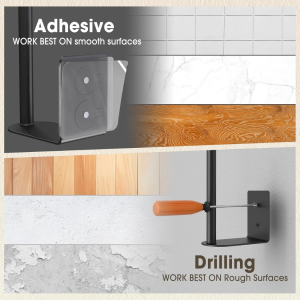 2 Pack Hat Racks For Baseball Caps, Stainless Steel Hat Organizer For Baseball Cap, Hat Holder Storage Organizer, Hat Hanger Strong
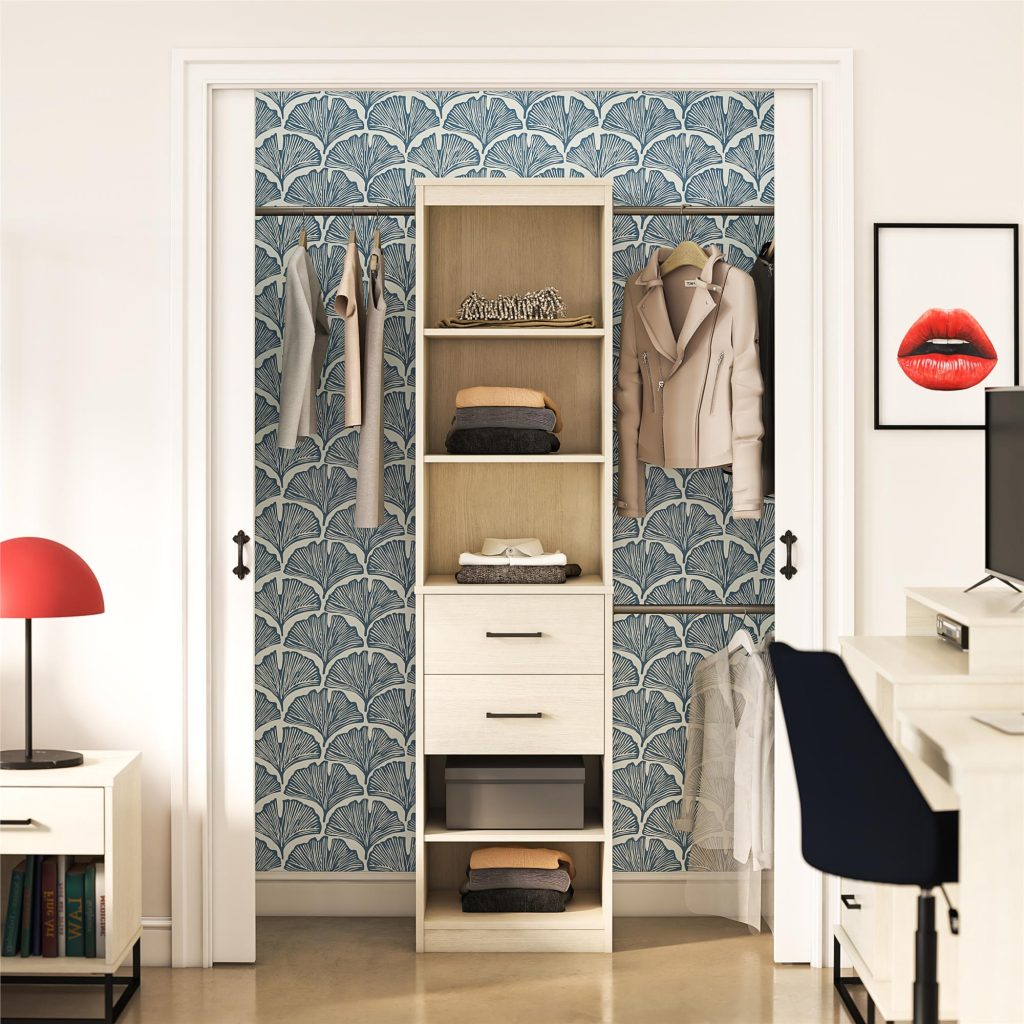
A closet rarely fails because it is too small. It fails because two or three categories are competing for the same level and nothing has a boundary. Getting the space right is a good place to start, because it forces the one decision that matters: what gets a home, and what does not.
- Airflow beats fragrance for a musty closet.
- The back of the door adds capacity without touching the floor.
- One box of matching hangers is the cheapest wardrobe upgrade.
- Store shoes toe-out or heel-to-toe — never side by side.
What actually limits a hanging rail
A rail runs out of room long before it runs out of length. What limits it is the thickness of what hangs on it: a wooden hanger takes roughly twice the rail space of a slim velvet one, and a coat takes about three times the space of a shirt. Before you buy anything, count what hangs and how thick it is. Most full rails are carrying half of what they could, purely because of hanger bulk.
Hanging space is a volume, not a length. A 1 m rail is 1 m of *shoulder width* — so ten thick wooden hangers and twenty slim ones occupy the same metre, but only one of those arrangements is full. The cheapest way to double a wardrobe is to change what the clothes hang on, not to buy a second wardrobe.

Ships from our US warehouse · 460 g · free US shipping over $49.
Give every category one level, and only one
A closet works when each category has exactly one home. Shirts on the top rail, trousers below, long items at the end where nothing can hang over them. The failure mode is overlap: when shirts and dresses share a rail, the dresses steal the height the shirts needed and both look untidy. One level per category costs nothing and removes almost all of the daily friction.
Then set the levels to the person, not to the closet. The rail should sit at about shoulder height for the person who uses it, and the top shelf should be reachable without a stool for anything used monthly. Everything above that is for the twice-a-year box — and if you find yourself fetching from it weekly, the levels are wrong, not the storage.
The three numbers a closet has to give you
A closet only has three dimensions that matter: rail height, shelf depth, and the clear gap between the rail and the shelf above. Standard hanging needs about 100 cm of clear height for shirts and 150 cm for long dresses; a shelf wants 30 to 35 cm of depth; and the gap above a rail should be at least 20 cm or the clothes will brush the shelf every time the door opens.
If your closet fails on any of those, the fix is usually a second rail rather than a new closet. Dropping a second rail into the space under a shirt rail recovers the dead volume below the hanging clothes, and it is the single highest-yield change you can make to a wardrobe without buying furniture.
What to look for in the container
Three things separate a bin that lasts from one that ends up on the floor. A stiffened side, so it keeps its shape when full. A handle or a cut-out, so it can be lifted off a high shelf with one hand. And a footprint that matches the shelf, so two of them sit squarely side by side. Everything else — colour, window, lid — is preference.
Fabric bins are lighter and softer-edged, which is what you want on an open shelf where a hard plastic corner would look clumsy. Plastic bins are stiffer and wipe clean, which is what you want for anything dusty or damp. The mistake is buying a set of one type for a whole home; most homes need fabric where the bin is visible and plastic where it is not.

Ships from our US warehouse · 300 g · free US shipping over $49.
How to keep it working after the first week
Most organized spaces drift back within a fortnight, and the cause is almost always the same: one category outgrew its container. When that happens, the instinct is to add a bin. The better move is to remove the overflow. Set a container limit and hold it — if the sock bin is full, a new pair of socks means an old pair leaves. That keeps the system stable without a weekly tidy-up.
The second cause is a container with no home. Anything that has to be moved before it can be used will stop being used. If a bin has to come off a shelf and be opened to reach the thing you need daily, the bin is in the wrong place — swap it for the daily item and put the bin where you can reach it.
When to stop buying and start removing
Storage is not a substitute for editing. Before you buy a fourth bin, take everything out and put back only what you used in the last year. Most people find a full third of a closet is dead weight: clothes that no longer fit, cables for devices they no longer own, and half-used sets. Removing that first means the storage you already have works better, and the bin you were about to buy is often unnecessary.
A useful test for anything you are unsure about is the two-move rule. If you would not move it to a new home, you do not need it in this one. That single question settles more decisions than any amount of clever storage, and it is free.
For a related problem, see How to organise a closet for a capsule wardrobe. It also pairs well with How to organise a small bedroom with no wardrobe.
Frequently asked questions
- How many hangers fit on a 1 m rail? Roughly 20 slim velvet hangers, 12 wooden ones, or 10 with coats on them. Measure a sample hanger and divide — it takes a minute and saves a purchase.
- Do slim hangers damage clothes? Not if they are flocked. A flocked slim hanger grips a shirt shoulder better than a wire one, which is why wire hangers let clothes slide off.
- How high should a rail be? Around 170 cm for shirts and 110 cm for a second rail of trousers, measured to the centre of the rail. Set it to the user's shoulder, not to a standard.
- Should I hang or fold knitwear? Fold it. Knitwear on a hanger stretches at the shoulders and never recovers. Reserve hanging for woven fabrics and anything structured.
- How deep should a closet shelf be? 30 to 35 cm. Deeper than 35 cm and you cannot reach the back; shallower than 30 cm and folded stacks overhang.