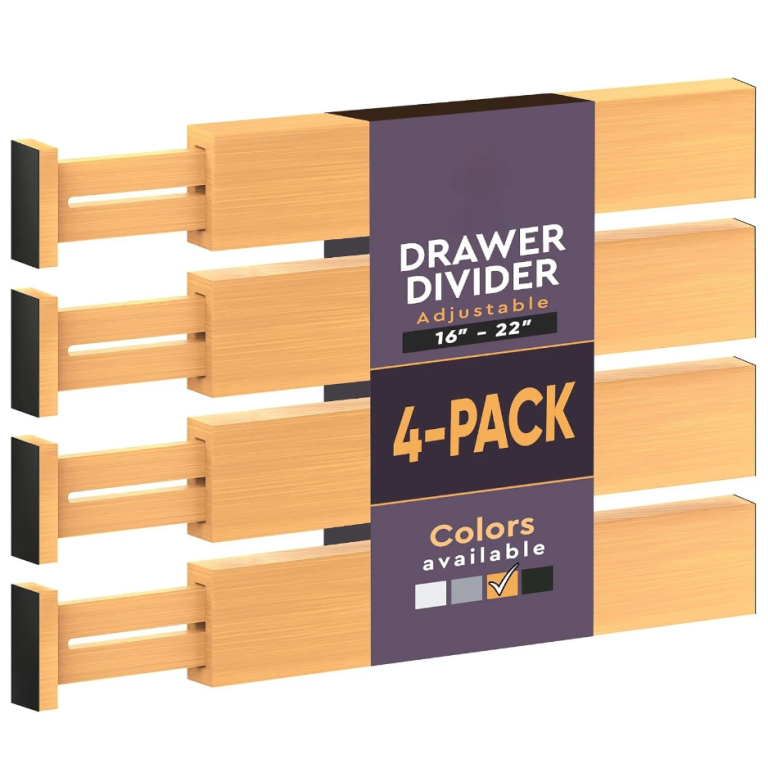
 1PCS Industrial Chic Black Metal Wall Hook - Saving Wall Mount Organizer
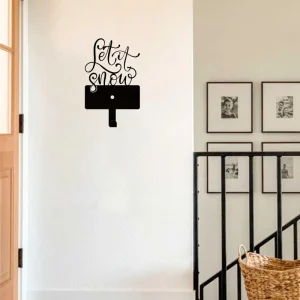 CIFbuy™ 2 pcs Elegant Metal Hooks Multi-Function Key Belt Wall Organizer (TikTok, temu pick-up service)
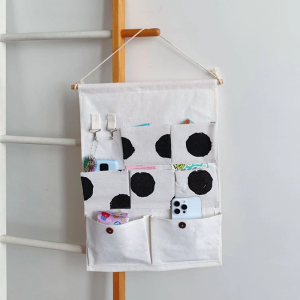 Seven Pockets Storage Hanging Bag-Polka Dots 5026

Small rooms do not fail for lack of storage. They fail because the storage is in the wrong place, doing one job when it could do two. Getting the bathroom right is a good place to start, because it is usually solved by moving something rather than by buying something.
- Plan the bathroom outward from the mirror.
- Two baskets, not one — dirty, and clean-but-unput-away.
- Leave a 2 cm gap behind storage on an outside wall.
- Under the bed and above the wardrobe are usually 400 litres.
Why a small kitchen fails at the counter
A small kitchen stops working at the counter, not in the cupboards. Counter space is where cooking actually happens, and it is the first thing lost to appliances, drying racks and things that have no other home. Once the counter is full, every task takes longer, because each one begins with clearing a space.
The fix is to treat the counter as a working surface and nothing else. Everything that lives on it has to justify its place: a kettle and a coffee machine earn it, a bread bin and a jar of utensils often do not. Moving two objects off the counter usually changes how the whole room feels.

Ships from our US warehouse · 104 g · free US shipping over $49.
Plan the bathroom around the mirror
In a small bathroom the mirror is the anchor, because it is the only thing that has to be at a fixed height. Plan outward from it: daily toiletries within reach of the basin, towels within reach of the shower, and everything else behind a door or in a cabinet. Fighting the mirror for wall space is why so many bathrooms end up with a shelf in the wrong place.
Then decide what can leave the room. Spare toiletries, cleaning supplies and anything used monthly do not need to live beside the basin — they need to live somewhere dry and out of sight. Moving one category out of a small bathroom is usually worth more than any shelf you could add to it.
What a wet wall will actually hold
A bathroom wall will hold more than people think, but only if the fixing suits the surface. On tile or glass, an adhesive strip works well and is removable; on painted plasterboard in a steamy room it will fail, and it will take the paint with it. Match the fixing to the wall, and halve the advertised load to be safe.
Depth matters more than width in a bathroom. A shelf deeper than about 12 cm becomes a place things fall from and a thing you knock with your elbow. Shallow shelves, 8 to 12 cm, hold toiletries well and stay out of the way — which is why the useful bathroom shelf is usually narrower than the one people buy.
What to look for in laundry storage
A laundry basket in a small home has to earn its footprint, so look for one that stacks, folds, or doubles as a surface. A stacking hamper with a lid gives you a folding surface and a basket in the same square metre, and a foldable one disappears entirely when the wash is done. Both beat a rigid basket that only ever holds dirty clothes.
Ventilation is the specification people skip. A sealed basket of damp washing smells within a day, so look for a breathable fabric or a vented lid. A sorter with two compartments is worth it for a family, but only if you actually separate — a three-way sorter in a home that washes everything together is just a bigger basket.
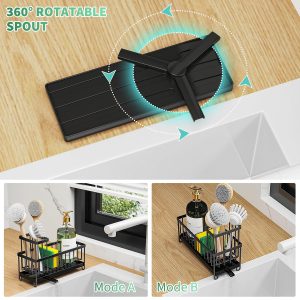
Ships from our US warehouse · 430 g · free US shipping over $49.
How to keep a small space working
Small spaces drift faster than large ones, because there is no slack to absorb anything new. The rule that keeps them stable is one in, one out, applied at the door: if something new comes into the room, something leaves it in the same week. That single habit does more than any storage purchase.
The second habit is a daily reset of one surface. In a small home, one clear surface — the counter, the desk, or the table — makes the whole room feel under control, and it is the surface you should protect above all others. Two minutes a day on that one surface is the whole maintenance routine.
When to stop buying and start removing
In a small home, storage has a hard ceiling, and it arrives sooner than people expect. Past it, every new container makes the room feel smaller even though it holds more. The signal is when you have to move one thing to reach another. At that point the only work that helps is subtraction.
Go room by room once a year and ask the two-move question of everything: would you move this to a new home? Anything you would not move is something you are storing rather than using, and in a small space that is an expensive habit. Removing a third of the contents of one room usually does more than any purchase you could make for it.
See also How to organise a small bathroom for a family, and How to file paper you still need without a filing cabinet for the wider picture.
Frequently asked questions
- How do I keep a small kitchen counter clear? Treat it as a work surface only. Appliances that are used daily stay; anything used weekly moves to a cupboard.
- Where do things go if there is no cupboard? Up a wall or on the back of a door. Both cost no counter and no floor, which is why they are the two places worth fighting for.
- Where should a bathroom shelf go? Beside or under the mirror, at about 110 to 120 cm. Anywhere else and it either blocks the mirror or is out of reach.
- How do I store towels in a small bathroom? On a rail behind the door for daily towels, and in a cupboard elsewhere for the rest. Towels take more space than people plan for.
- How much weight can a bathroom shelf hold? A wall-fixed shelf, 5 to 10 kg with proper fixings. An adhesive one, half that on tile and a quarter on painted plasterboard.