 Handcrafted Copper Metal Wall-Mounted Jewelry Organizer With Slots,Display Stand
 2 Pack Hat Racks For Baseball Caps, Stainless Steel Hat Organizer For Baseball Cap, Hat Holder Storage Organizer, Hat Hanger Strong
 Bath Corner Shower Shelves Adhesive Caddy, Wall Mounted, No Drilling Racks Shower Organizer Basket, Aluminum Storage for Bathroom Kitchen
 Wall Decor with Rustic Metal Camper Key Holder: 7 Sturdy Hooks and a Charming Pine Tree Pattern, Ideal for Enhancing Camper Enthusiasts' Wall Decor, Wall Sculpture Feature.
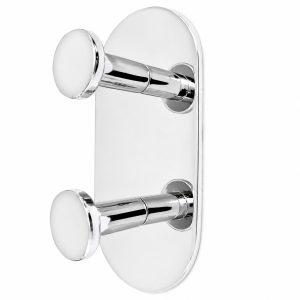 Stainless Steel Double Round Hook, Glossy Finish,2 Pack
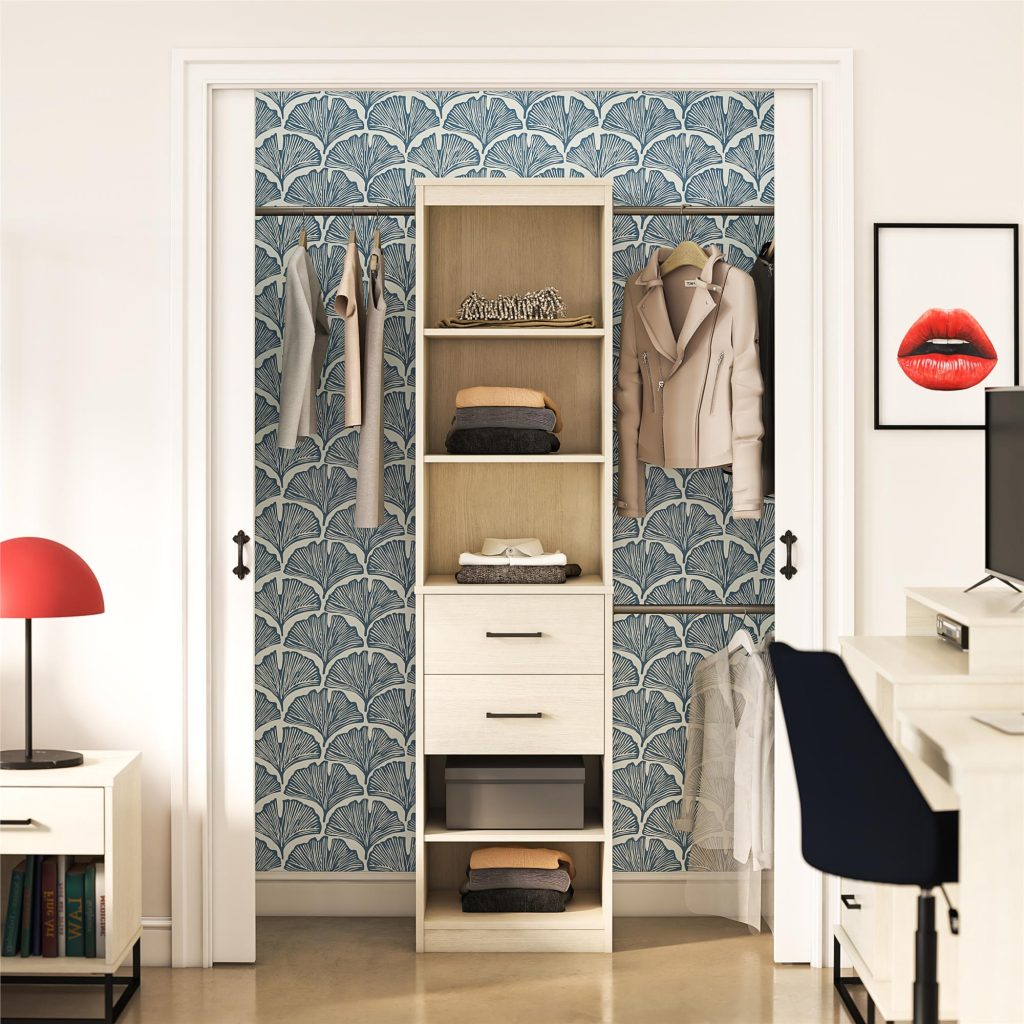
Most closet problems are not storage problems. They are boundary problems — an item with no fixed place migrates until it lands somewhere it does not belong. Getting hats right removes a whole category of daily friction, and it costs less than the bin you were about to buy.
- Fold to the drawer’s width, not to the item.
- Airflow beats fragrance for a musty closet.
- Store shoes toe-out or heel-to-toe — never side by side.
- Slim hangers roughly halve the rail space a wardrobe needs.
Why folded things come unfolded
A drawer rarely fails because it is full. It fails because the folded stack has nothing to lean on. Every time the drawer opens, the front item tips forward, and by the third day the stack has collapsed into a heap. The fix is not a better fold or a bigger drawer — it is a boundary. Give each stack a wall to lean against and the fold you already use will hold for weeks rather than days.
Folding is only half the job. A stack of folded clothes is stable while it is compressed and unstable the moment there is slack, which is why the fold that looks perfect on day one is a heap by Friday. The variable you control is depth: a stack should either fill the drawer front to back, so the drawer wall holds it, or sit in a bin that does the same job.
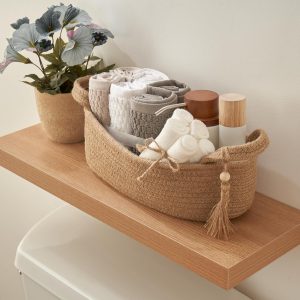
Ships from our US warehouse · 300 g · free US shipping over $49.
Change the axis before you change the shelf
Before adding a shelf for hats, try turning them. Shoes stored toe-out on a rack use about a third less depth than the same shoes side by side, and boots stood upright use less still. Racks also ventilate, which matters more than most people expect: a closed box of worn shoes is where smells come from, and an open rack is the cheapest fix.
If a rack is not an option, go heel-to-toe in a shallow drawer. A 20 cm deep drawer takes a full pair of most adult shoes laid heel to toe, which is half the depth of a standard shelf. The trade is that you have to open the drawer, so keep daily pairs out and drawer the rest.
How to size a bin to the shelf
A bin should be sized to the shelf it lives on, not to the things that go in it. Measure the shelf’s clear height — the gap between it and the shelf above — and choose a bin that stacks two-high inside that gap with a centimetre to spare. That single number is what turns a shelf from a row of single bins into two rows, and it is the most common thing people get wrong.
For hats, also check the lift. A bin that is full of anything heavy needs a handle or a cut-out, and it needs to be light enough to lift off a top shelf with one hand. If it is not, it will stay on the floor, and the shelf will stay empty. Weight rating matters as much as volume.
What to look for in a divider or insert
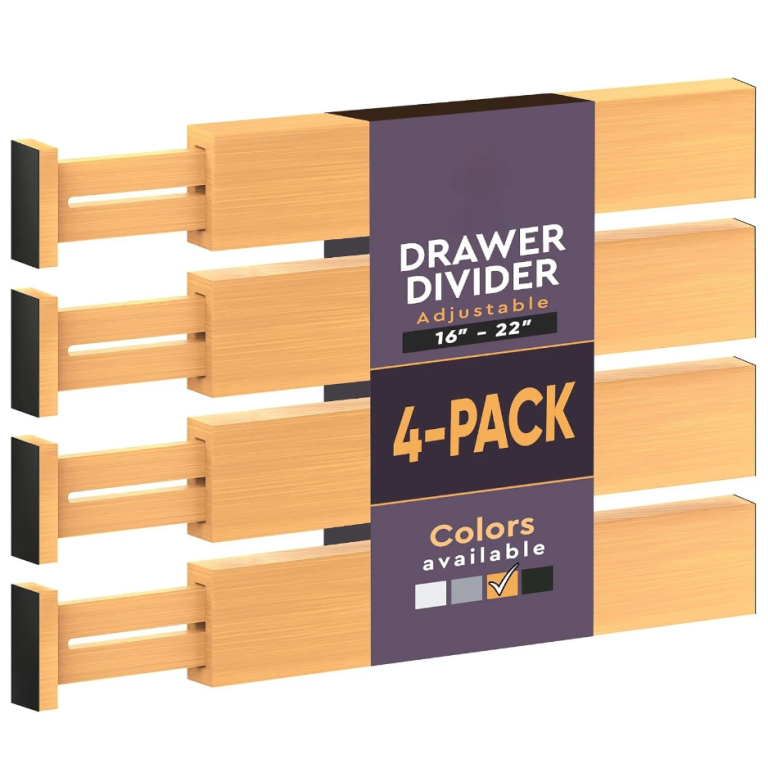
The fit is the whole product. A divider that is 2 cm narrow slides every time the drawer opens; one that is 2 cm wide will not sit flat. Look for an adjustable or expandable set unless you have measured precisely, and check that the sides are tall enough to actually hold the items — a 3 cm lip will not contain a stack of cutlery.
Material matters less than people think, but finish matters more. A smooth, rounded edge is easier to wipe and kinder to fabric. Non-slip feet or a textured base are worth paying for, because they are the difference between a tray that stays put and one you reposition every week.
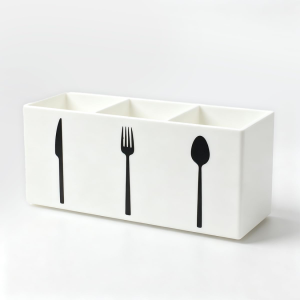
Ships from our US warehouse · 200 g · free US shipping over $49.
How to keep it working after the first week
Most organized spaces drift back within a fortnight, and the cause is almost always the same: one category outgrew its container. When that happens, the instinct is to add a bin. The better move is to remove the overflow. Set a container limit and hold it — if the sock bin is full, a new pair of socks means an old pair leaves. That keeps the system stable without a weekly tidy-up.
The second cause is a container with no home. Anything that has to be moved before it can be used will stop being used. If a bin has to come off a shelf and be opened to reach the thing you need daily, the bin is in the wrong place — swap it for the daily item and put the bin where you can reach it.
When to stop buying and start removing
Storage is not a substitute for editing. Before you buy a fourth bin, take everything out and put back only what you used in the last year. Most people find a full third of a closet is dead weight: clothes that no longer fit, cables for devices they no longer own, and half-used sets. Removing that first means the storage you already have works better, and the bin you were about to buy is often unnecessary.
A useful test for anything you are unsure about is the two-move rule. If you would not move it to a new home, you do not need it in this one. That single question settles more decisions than any amount of clever storage, and it is free.
Related reading: How to store dresses without crushing them. It also pairs well with How to choose a storage box with a sealing lid.
Frequently asked questions
- How do I stop folded clothes falling over? Fill the drawer front to back, or put the stack in a bin with a stiff side. A stack that leaves a gap in front of it will always collapse forward.
- Is vertical folding better than stacking? Vertical filing works best in a shallow drawer. In a deep drawer a stack with a boundary holds just as well and is faster to put away.
- How many pairs fit on an over-the-door rack? A 24-pocket rack holds 12 pairs, but only if the pockets are deep enough for a size 10. Check pocket depth, not pocket count.
- Do shoe racks hold boots? Most do not. Boots want either a shelf with 35 to 40 cm of height, or a rack with adjustable spacing.
- Should bins be clear or opaque? Clear for anything you need to identify without opening; opaque for the top shelf, where neatness matters more than access. Many homes end up using both.