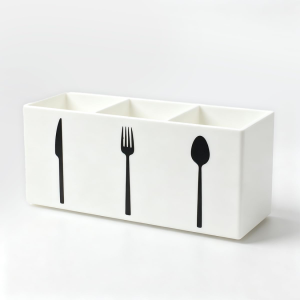
 3 Compartment White Acrylic Cutlery Organizer Plastic Flatware Holder Countertop Utensil Storage For Kitchen Dining Room Indoor And Outdoor Use
 Cozy Home Wall Hooks Set Warm Metal Coat Hangers With Cute Heart Design Perfect
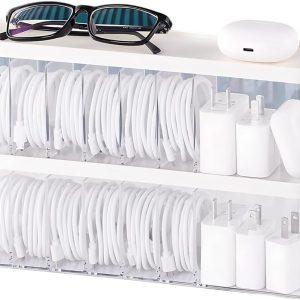 Charger Cable Cord Storage Organizer Box, Easy Cable Management Case For USB Wires, Charging Cords And Home Office Use
 CIFbuy™ 2 pcs Elegant Metal Hooks Multi-Function Key Belt Wall Organizer (TikTok, temu pick-up service)
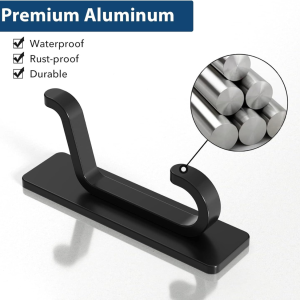 4 Pack 13LB Strong Adhesive Hooks Black Stick-On Wall Hooks For Coats Towels Bathroom Kitchen Home Storage Organization
 Wall-mounted Single Hanger With Built-in Key Holder,The Decorative Hooks
 1PCS Industrial Chic Black Metal Wall Hook - Saving Wall Mount Organizer
 Stainless Steel Double Round Hook, Glossy Finish,2 Pack
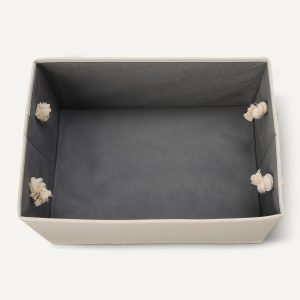 Foldable Storage Bins With Rope Handles, Large Linen Closet Organizers, 3-Pack, Collapsible Storage Boxes For Home & Bedroom
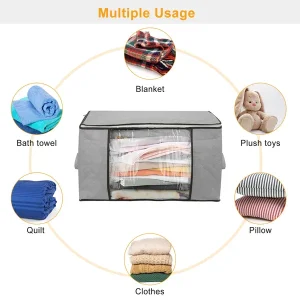 2Pcs Clothes Storage Bag 90L Large Capacity Foldable Closet Organizer W/ Thick Fabric Clear Window Dual-Zipper
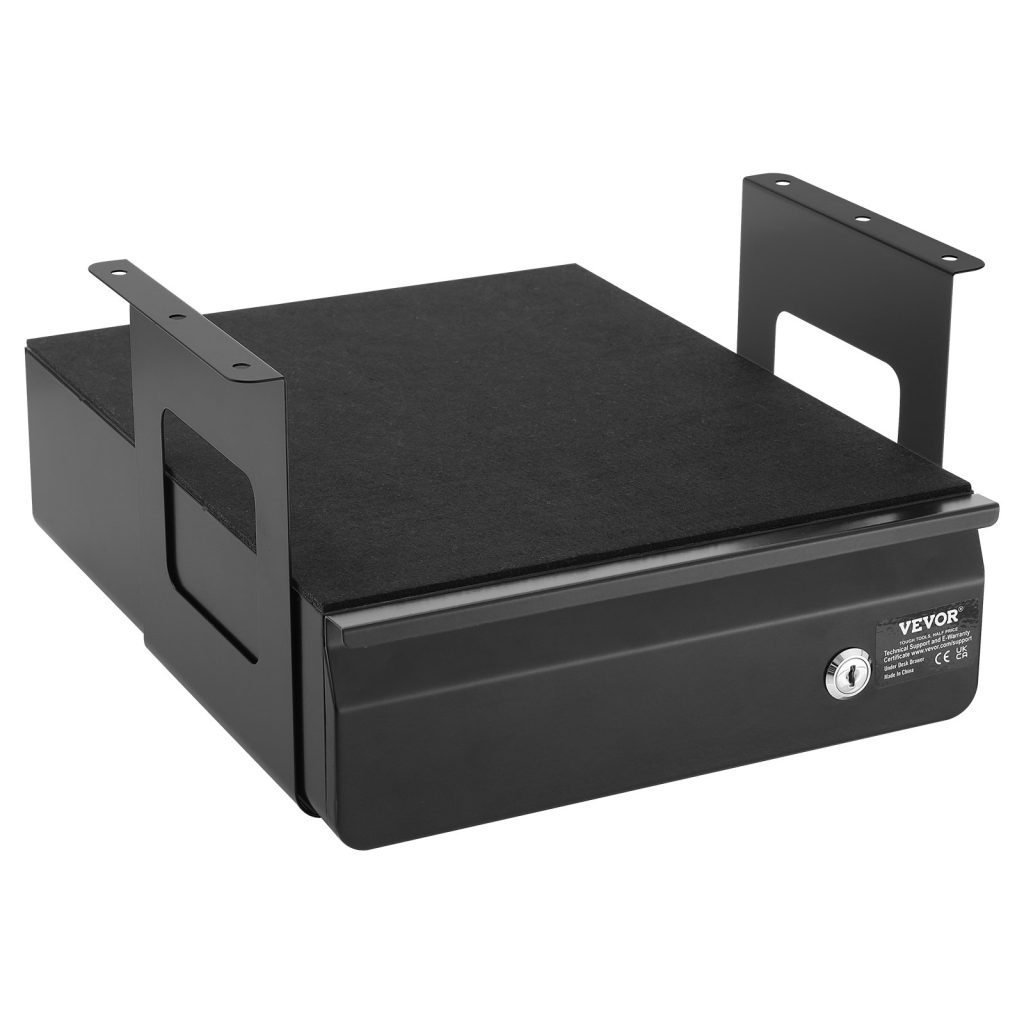
Cable and desk problems share a cause: nothing has a fixed place, so everything stays out. Getting manuals right is a good place to start, because it is the change that makes the rest of the desk easier to keep clear.
- Design for the ten seconds before a call starts.
- Keep the working surface empty and give every object a zone.
- Halve any advertised weight rating — real walls are not ideal surfaces.
- Measure the bundle, not the single cable, before buying a box.
Why a desk stops working before it looks messy
A desk stops working at the point where you have to move something to start a task. That happens long before it looks untidy, and it is usually caused by one zone doing two jobs — the working surface holding things that belong in a drawer or on a shelf.
The signal is a small hesitation. You sit down, and before you can begin you shift a charger, a mug or a pile of paper out of the way. Each of those is a two-second cost that happens twenty times a day, and it is the real reason a desk feels tiring rather than the state of it.

Ships from our US warehouse · 400 g · free US shipping over $49.
Label the ends, not the middle
The cable you cannot identify is the one you unplug. Label both ends of every cable within an inch of the plug, using a flag of masking tape folded around the cable — a flat wrap is unreadable once it is behind a desk, a flag reads at a glance. Write the device, not the cable type: *monitor*, not *HDMI*, because there may be three HDMI cables.
Then bundle. Group cables by the route they travel, not by the device they serve, and hold each bundle with a reusable strap. A bundle that runs together stays together when you pull one out, which is what stops the whole back of the desk coming with it. Leave a service loop of about 15 cm at each device so a cable can be unplugged without disturbing its neighbours.
Measure the bundle, not the cable
When you are sizing anything that has to contain cables, measure the bundle and not the individual cable. Six cables at 4 mm each is a 24 mm bundle before you add connectors, and a power brick is 40 mm on its own. A box that is 3 cm too short will not close over the brick, which is the most common reason a cable box ends up open on the floor.
Then measure the clearance under the desk. A cable tray needs the desk’s underside to be flat, and it needs enough room for the tray plus the cables plus your knees. A tray that sits 8 cm below a 72 cm desk leaves 64 cm of legroom, which is tight for a tall person. Check the desk height before you check the tray.
What to look for in cable management
Four things do almost all the work: a tray under the desk to hold the run, a box on it for the devices, hook-and-loop straps to hold the loops, and a clip or two to fix the cable to the back edge. Sleeves look tidy but they hide everything inside them, so use them only for a run you will never need to change.
Buy straps, not ties. A hook-and-loop strap can be opened and reused a hundred times, which matters because you will re-route these cables. A one-piece plastic tie is a single-use item that you will end up cutting, and cutting a tie next to a live cable is a bad habit to build.
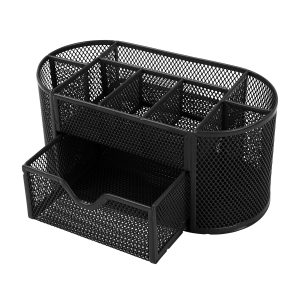
Ships from our US warehouse · 460 g · free US shipping over $49.
How to keep it working after the first week
The system fails when something new arrives and has no place to go. Give every new device a default: a spare-charger box, a spare-cable pouch, a tray for paperwork. When there is a named home for the new thing, it goes there; when there is not, it goes on the desk and the desk starts to drift again.
The other habit worth building is the five-minute reset at the end of the day. Not a tidy-up — a reset. Put the day’s objects back in their zones, clear the surface, and leave the cables where they belong. Five minutes daily is less work than an hour monthly, and it is the only maintenance this kind of setup needs.
When to stop buying and start removing
Every desk drawer eventually holds cables for devices you no longer own. Before you buy another organizer, empty the drawer and test every cable: does a device in this house use it, and do you know which one? Anything that fails both questions goes. Most people recover a third of a cable drawer this way.
The same applies to paper. A document box that is full is usually full of things that were kept because keeping was easier than deciding. Go through it once a year, remove what has expired, and the box will stay a comfortable size rather than growing into a second box you did not plan for.
For a related problem, see Stackable vs nestable storage: which saves more space. It also pairs well with How deep should a closet shelf be.
Frequently asked questions
- How do I know my desk is failing? When you have to move something before you can start. That is the point to fix, not the point at which it looks untidy.
- What is the fastest fix? Clear the working surface completely and give every object on it a home that is not the desk itself.
- What should I write on a cable label? The device it serves, and if there are two, which port. *Laptop — left USB-C* is more useful than *USB-C*.
- How do I stop cables falling behind the desk? A cable tray under the desk, or a clip on the back edge. Gravity is the whole problem — give the cable somewhere to rest.
- How big should a cable box be? Big enough to hold the power brick plus the bundle with 2 cm to spare. Measure the brick first — it is always bigger than expected.