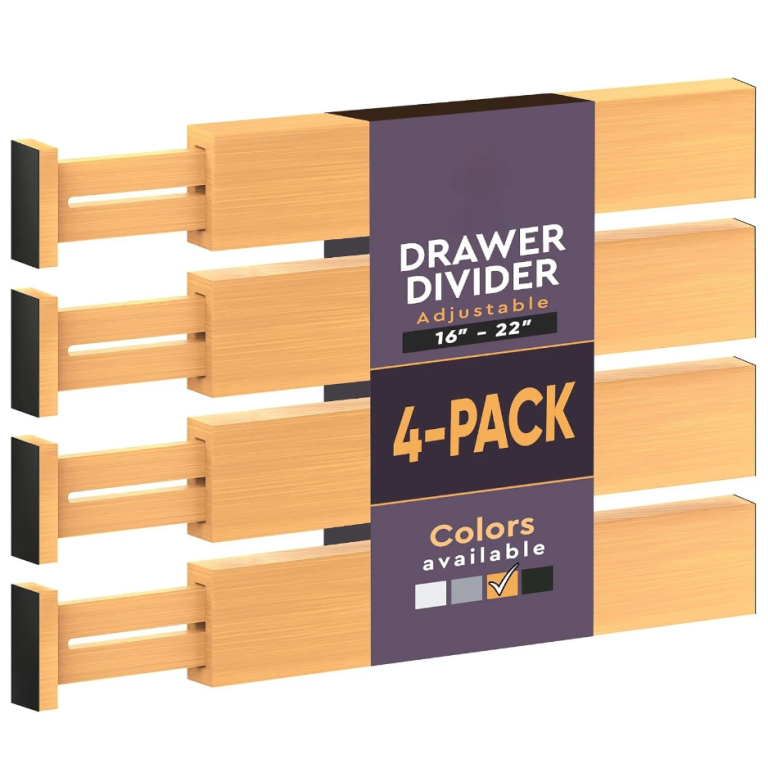
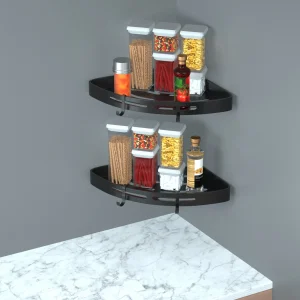
 Bath Corner Shower Shelves Adhesive Caddy, Wall Mounted, No Drilling Racks Shower Organizer Basket, Aluminum Storage for Bathroom Kitchen
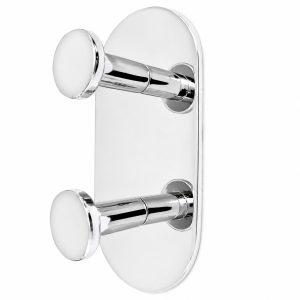 Stainless Steel Double Round Hook, Glossy Finish,2 Pack
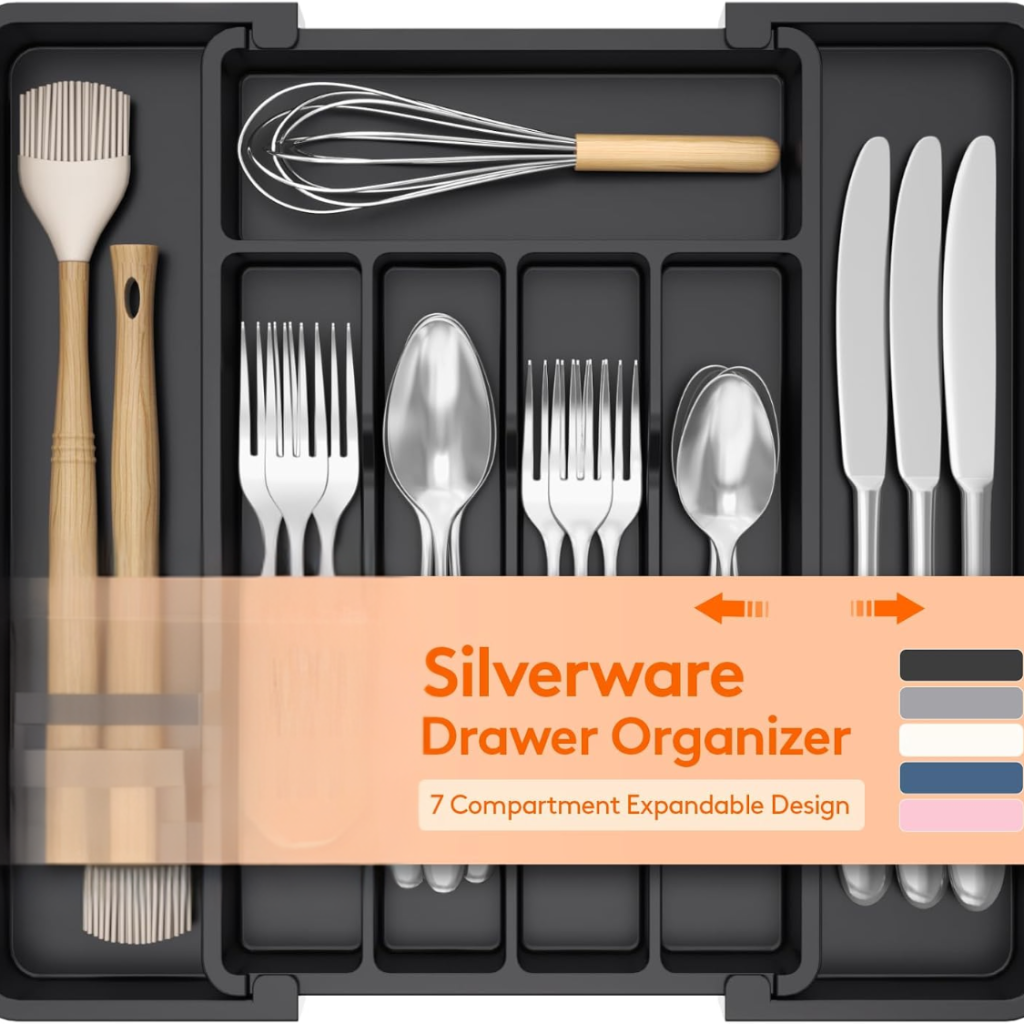
In a small home the scarce thing is not space — it is clear surface. Getting the kitchen right is one of the first things worth doing, and it costs nothing to try.
- Keep the counter a work surface and nothing else.
- Divide the wall into three bands: reach, stretch, archive.
- Plan the bathroom outward from the mirror.
- A 20 mm shelf spans about 80 cm before it sags.
Why floor space is the wrong thing to spend
In a small room, floor is the scarcest thing you own. Every piece of furniture that touches the floor is taking the room’s most expensive resource and giving back one job. A unit that also works as a seat, a table or a divider earns its footprint; one that only holds things does not. That is the test to apply before anything else.
Height, by contrast, is usually free. Most rooms have 60 to 90 cm of unused wall above eye level, and that space costs nothing to use. Moving storage upward does not make a room feel smaller, as long as what you put up there is light in colour and visually quiet — heavy, dark boxes at height do the opposite.
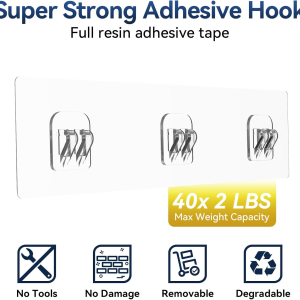
Ships from our US warehouse · 590 g · free US shipping over $49.
Go up the wall in three bands
Divide the wall into three bands and give each one a job. The reach band, roughly 90 to 150 cm from the floor, is for daily items — hooks, a rail, the shelf you actually touch. The stretch band above it, 150 to 190 cm, is for weekly and monthly items. The top band is for the twice-a-year box, and nothing else.
Working in bands stops the two mistakes small rooms make: filling the reach band with decorative objects, and putting daily items so high they need a stool. If you find yourself fetching from the top band weekly, the bands are wrong — swap the contents of the stretch and top bands and the room will work.
The numbers a small kitchen runs on
A few standard numbers solve most small-kitchen problems. A wall cabinet is 30 to 35 cm deep, a base unit 60 cm, and a worktop 60 cm. The gap between a worktop and the wall cabinet above it is 50 to 60 cm — that gap is the most contested space in the room, and it is where a rail or a shallow shelf earns its place.
For the kitchen, the number to measure is the counter depth you actually have left. If appliances occupy 40 of 60 cm, you have 20 cm to work with, which is a chopping board and nothing else. Knowing that number tells you whether the answer is a smaller appliance, a wall rail, or moving something out of the room entirely.
What to look for in wall hardware
For a small space, three products do most of the work: a rail with adjustable hooks, a shallow shelf on brackets, and adhesive hooks for the surfaces that will not take a fixing. Buy the rail and hooks as a set so the spacing matches — mixing brands usually means the hooks do not sit where you want them.
Check two specifications before buying anything that holds weight. The load rating, which you should halve for real-world use, and the fixing type, which decides whether it will work on your wall at all. A hook that needs a stud and a hook that takes a plasterboard plug are different products, and the packaging rarely makes it obvious.
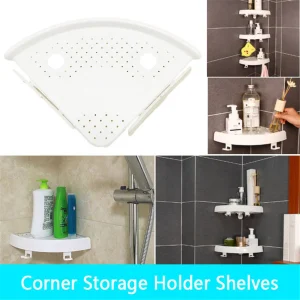
Ships from our US warehouse · 494 g · free US shipping over $49.
How to keep a small space working
Small spaces drift faster than large ones, because there is no slack to absorb anything new. The rule that keeps them stable is one in, one out, applied at the door: if something new comes into the room, something leaves it in the same week. That single habit does more than any storage purchase.
The second habit is a daily reset of one surface. In a small home, one clear surface — the counter, the desk, or the table — makes the whole room feel under control, and it is the surface you should protect above all others. Two minutes a day on that one surface is the whole maintenance routine.
When to stop buying and start removing
In a small home, storage has a hard ceiling, and it arrives sooner than people expect. Past it, every new container makes the room feel smaller even though it holds more. The signal is when you have to move one thing to reach another. At that point the only work that helps is subtraction.
Go room by room once a year and ask the two-move question of everything: would you move this to a new home? Anything you would not move is something you are storing rather than using, and in a small space that is an expensive habit. Removing a third of the contents of one room usually does more than any purchase you could make for it.
Related reading: How to organise under the kitchen sink. It also pairs well with How to organise a desk with no wall nearby.
Frequently asked questions
- Does vertical storage make a room feel smaller? Not if it is light and shallow. Dark, deep units at height close a room in; slim, pale shelves do not.
- What should stay on the floor? Only things that do two jobs, or that you cannot lift. Everything else belongs on a wall or in a cupboard.
- How high should wall storage go? Daily items at 90 to 150 cm, weekly at 150 to 190 cm, and anything above that only twice a year.
- What if the wall is not mine to drill? Use adhesive hooks on tile or glass, and over-the-door storage everywhere else. Both cost no fixings and no floor.
- How deep should a kitchen shelf be? 20 to 25 cm above a worktop. Deeper and you cannot see the back; shallower and a plate will not stand on it.