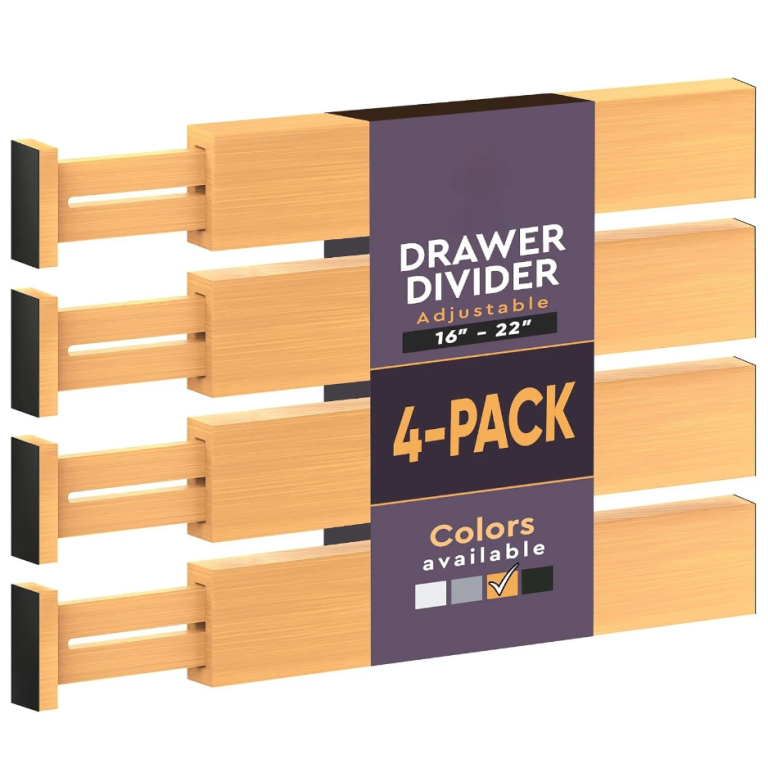
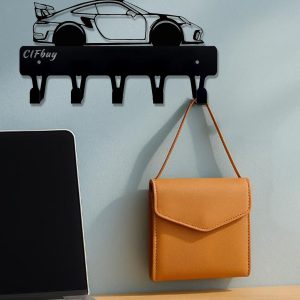
 1PCS Industrial Chic Black Metal Wall Hook - Saving Wall Mount Organizer
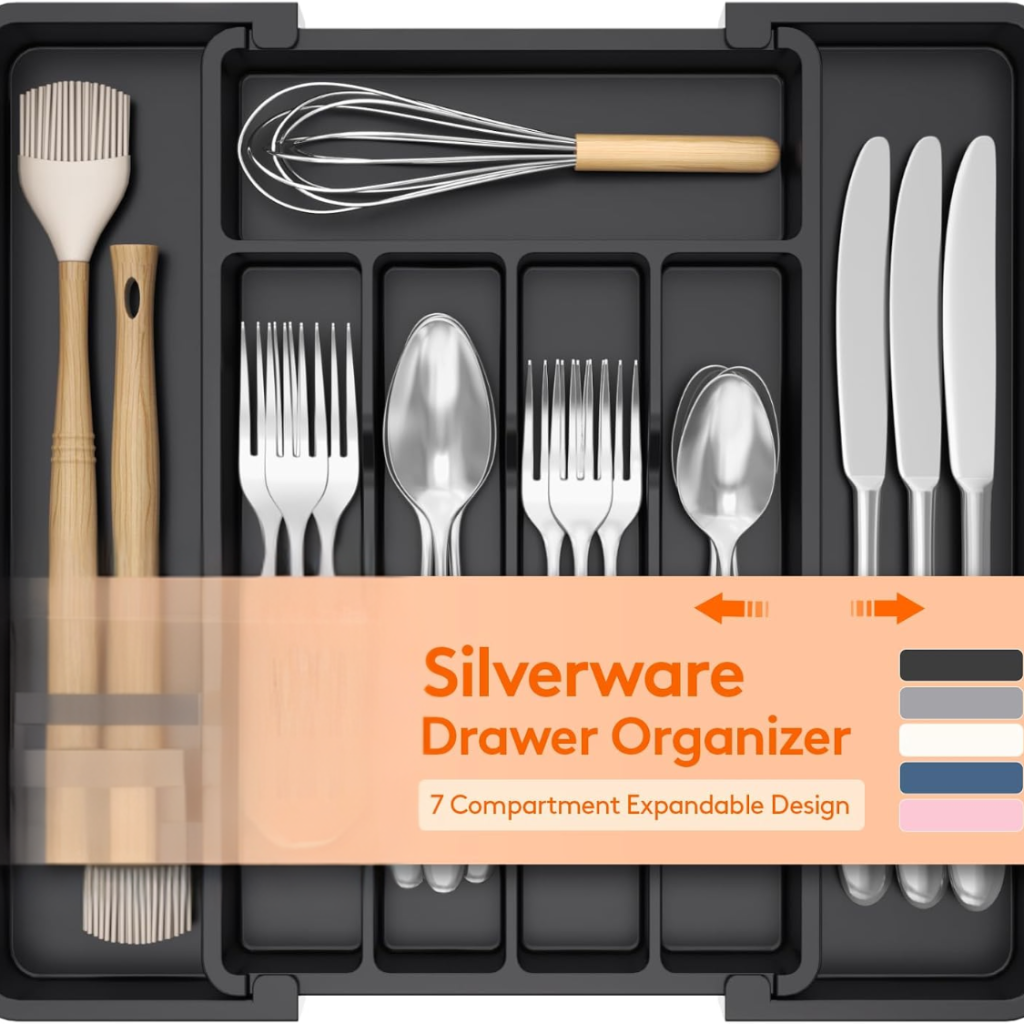
The single most common reason a storage product comes back is that it did not fit. Not quality, not price — fit. And fit is entirely predictable with a tape measure and five minutes. This is the measurement routine that removes almost all of the guesswork, whether you are buying a bin, a shelf, a drawer tray or a caddy.
- Measure the inside of the space, not the outside.
- Record width, depth and height, plus the opening width.
- Leave 5 mm of clearance on each dimension.
- Photograph the measurement with the tape in place.
Measure the inside, not the outside
The number that decides whether something fits is the internal dimension of the space, not the furniture it lives in. A cabinet that is 60 cm wide externally may have a 54 cm internal opening, and it is the 54 that matters. Measure across the inside of the opening at the front and at the back, because many cabinets taper. For a drawer, measure the inside of the drawer box, not the drawer front.
Ships from our US warehouse · 500 g · free US shipping over $49.
Record three dimensions plus the opening
Write down width, depth and height for the internal space, then add the width of the opening you have to pass the item through. That last number catches the classic mistake: a shelf that fits the space but not through the door, or a bin that fits the closet but not past the frame. Height should be measured at the tightest point, which is usually under a shelf or a rail rather than at the front of the opening.
Leave clearance on every dimension
A perfect fit is not a good fit. Leave about 5 mm of clearance on each dimension so the item slides in, sits flat and can be removed again. Wood and plastic expand with humidity, and drawers and doors shift over time, so an item that fits exactly today will jam in six months. If you are between two sizes, choose the smaller and add a non-slip mat rather than forcing the larger one.
Photograph the measurement
A photograph with the tape measure in place, taken at the space itself, is worth more than a note. It settles arguments in the shop, it reminds you which cabinet you measured, and it lets you check a product listing against reality without going back. Take one photo per space with the tape visible on each dimension, and keep them in an album on your phone.
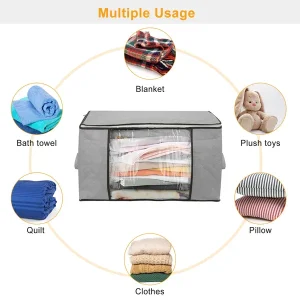
Ships from our US warehouse · 399 g · free US shipping over $49.
Check the product’s real dimensions
Product listings often quote the item’s overall size, which may include a lid or a handle that changes the effective dimension. Check the internal usable size if it is given, and check the height with the lid on. If the listing is vague, that is a reason to choose a different product rather than to guess — a vague listing usually means a vague product. Real dimensions are the mark of a seller who has thought about fit.
Measure once, buy once
Do the measurement routine for every space you intend to organize before you buy anything. A single session with a tape measure, a notepad and your phone gives you the numbers for the whole home, and then every purchase is a check against a number rather than an estimate. It is the least glamorous step in organizing and the one that saves the most money, because the product you would have returned is the product you never bought.
Once you have the numbers, our storage bin buying guide covers what else to look for, and drawer divider sizing applies the same method one level down.
Frequently asked questions
- What should I measure first? The internal width, depth and height of the space, then the opening you have to pass the item through.
- How much clearance do I need? About 5 mm on each dimension, so the item slides in and can be removed again.
- Why did my storage not fit even though I measured? Usually because the external dimension was measured instead of the internal one, or the opening width was missed.
- Should I measure with the tape or a phone app? A tape is more reliable for tight spaces. Photograph the tape in place so you can re-check later.
- What if the listing gives no dimensions? Treat that as a reason to choose a different product — a vague listing usually means a vague fit.