In a small home the scarce thing is not space — it is clear surface. Getting the home right is one of the first things worth doing, and it costs nothing to try.
- Leave a 2 cm gap behind storage on an outside wall.
- Measure the gaps, not the room.
- Plan the bathroom outward from the mirror.
- One in, one out, in the same week.
Why a small room feels smaller than it is
A small room reads as smaller than it is when every surface is doing a job. Storage, seating and work all competing for the same two metres of wall is what makes a space feel tight — not the number of square metres, but the number of things asking for attention at once.
That is why clearing one surface changes a room so much. The eye needs somewhere to rest, and a single empty stretch of wall or counter gives it one. Before you move anything or buy anything, clear the surface you see first and live with it for a week.
Ships from our US warehouse · 472 g · free US shipping over $49.
Plan the bathroom around the mirror
In a small bathroom the mirror is the anchor, because it is the only thing that has to be at a fixed height. Plan outward from it: daily toiletries within reach of the basin, towels within reach of the shower, and everything else behind a door or in a cabinet. Fighting the mirror for wall space is why so many bathrooms end up with a shelf in the wrong place.
Then decide what can leave the room. Spare toiletries, cleaning supplies and anything used monthly do not need to live beside the basin — they need to live somewhere dry and out of sight. Moving one category out of a small bathroom is usually worth more than any shelf you could add to it.
Measure the gaps, not the room
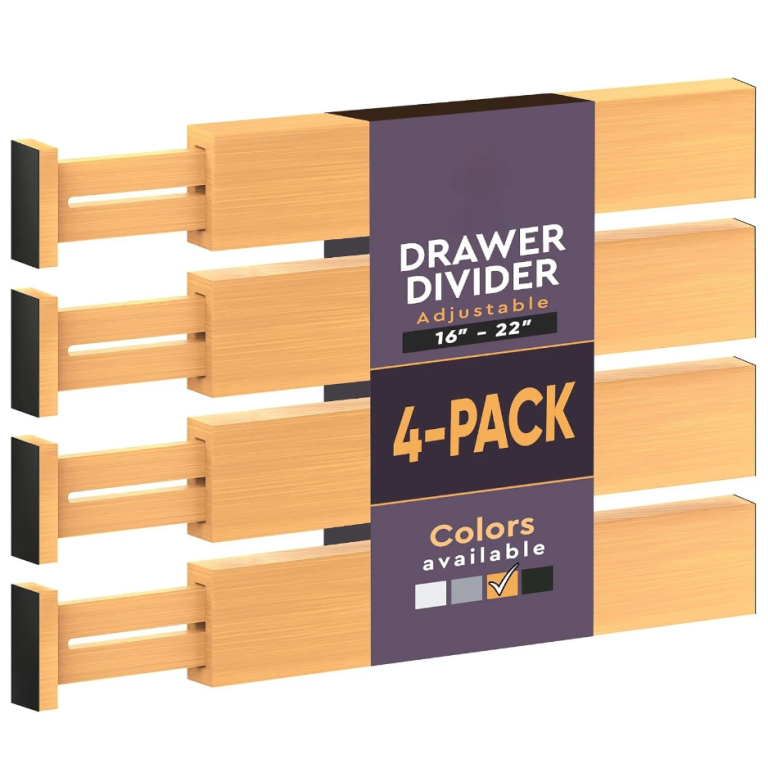
In a small room the useful measurements are not the room’s dimensions but the gaps inside it: the 15 cm beside the fridge, the 20 cm under the bed, the 30 cm above the door, the space behind a door that swings. Those gaps are where storage fits without costing floor, and they are almost always wasted because nobody measures them.
Write the gaps down before you shop. A list of five real measurements — 15 x 60, 20 x 90, 30 x 80, and so on — turns a vague search into a specific one, and it is what stops the classic small-home mistake of buying a unit that almost fits. If a gap is awkward, look for expandable or modular storage rather than a fixed unit.
What to look for in laundry storage
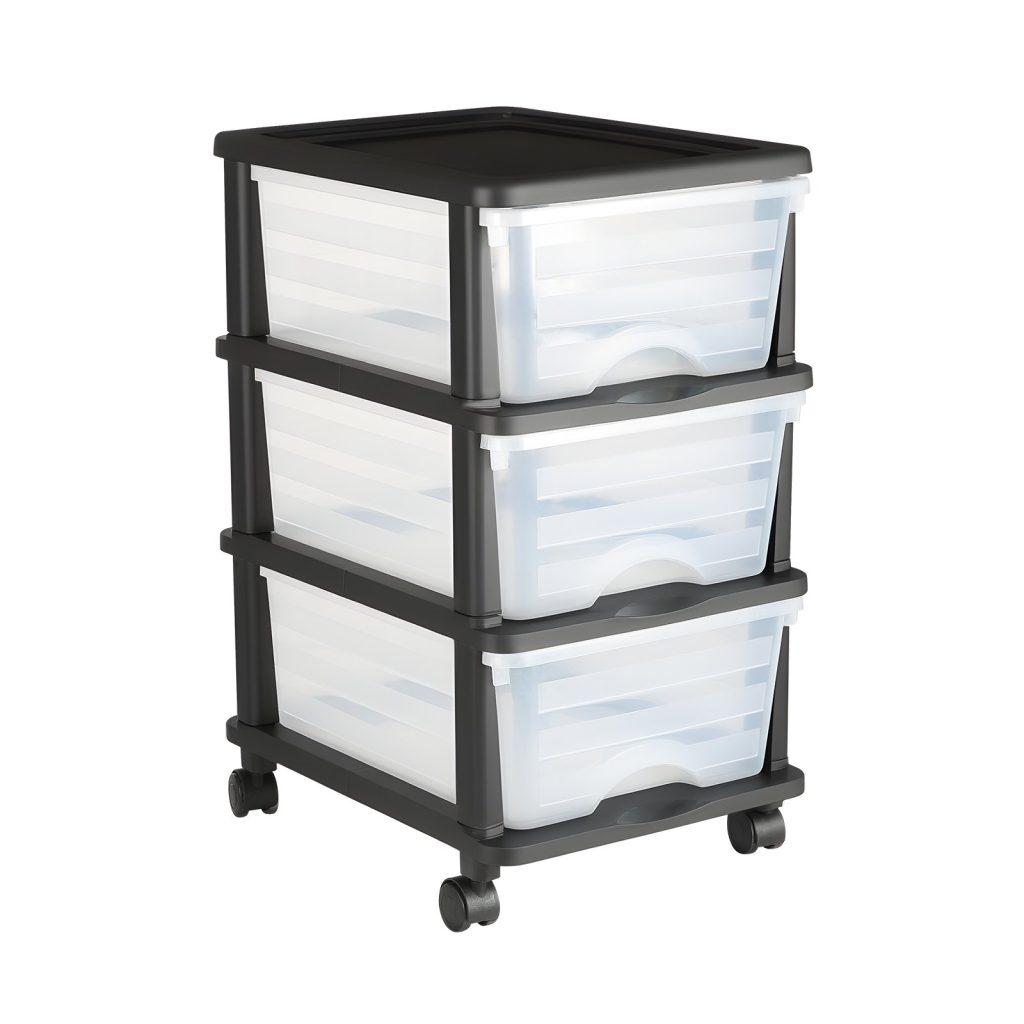
A laundry basket in a small home has to earn its footprint, so look for one that stacks, folds, or doubles as a surface. A stacking hamper with a lid gives you a folding surface and a basket in the same square metre, and a foldable one disappears entirely when the wash is done. Both beat a rigid basket that only ever holds dirty clothes.
Ventilation is the specification people skip. A sealed basket of damp washing smells within a day, so look for a breathable fabric or a vented lid. A sorter with two compartments is worth it for a family, but only if you actually separate — a three-way sorter in a home that washes everything together is just a bigger basket.
Ships from our US warehouse · 190 g · free US shipping over $49.
How to keep a small space working
Small spaces drift faster than large ones, because there is no slack to absorb anything new. The rule that keeps them stable is one in, one out, applied at the door: if something new comes into the room, something leaves it in the same week. That single habit does more than any storage purchase.
The second habit is a daily reset of one surface. In a small home, one clear surface — the counter, the desk, or the table — makes the whole room feel under control, and it is the surface you should protect above all others. Two minutes a day on that one surface is the whole maintenance routine.
When to stop buying and start removing
In a small home, storage has a hard ceiling, and it arrives sooner than people expect. Past it, every new container makes the room feel smaller even though it holds more. The signal is when you have to move one thing to reach another. At that point the only work that helps is subtraction.
Go room by room once a year and ask the two-move question of everything: would you move this to a new home? Anything you would not move is something you are storing rather than using, and in a small space that is an expensive habit. Removing a third of the contents of one room usually does more than any purchase you could make for it.
See also How to store school things in a small home, and How to organise a home admin station for the wider picture.
Frequently asked questions
- Why does my room feel cramped? Usually because every surface is busy. One clear surface does more for how a room feels than any storage you could add.
- What should I clear first? The surface you see when you walk in. That is the one the eye reads as the state of the whole room.
- Where should a bathroom shelf go? Beside or under the mirror, at about 110 to 120 cm. Anywhere else and it either blocks the mirror or is out of reach.
- How do I store towels in a small bathroom? On a rail behind the door for daily towels, and in a cupboard elsewhere for the rest. Towels take more space than people plan for.
- How do I find usable space in a small room? Measure the gaps, not the room. Beside appliances, under furniture and above doors are the usual three.