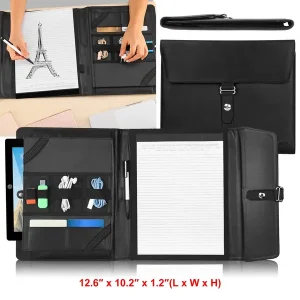
 Padfolio Portfolio Folder Business Document Organizer PU Leather Padfolio Holder Case
 Hair Dryer Bracket No Drilling Wall Mount Blow Dryer Hanger Rack Organizer For Bathroom Bedroom
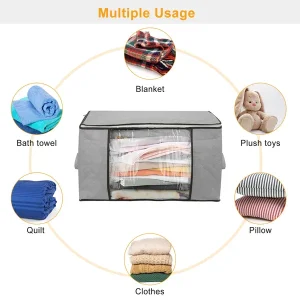 2Pcs Clothes Storage Bag 90L Large Capacity Foldable Closet Organizer W/ Thick Fabric Clear Window Dual-Zipper
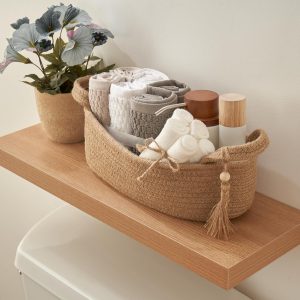 Decorative Toilet Paper Basket, Boho Jute And Cotton Rope Storage Bin With Tassel For Bathroom And Home
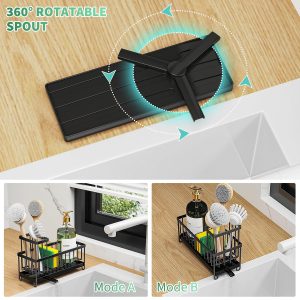 Kitchen Sponge Holder Drain Rack Sink Organizer For Scrubber Storage
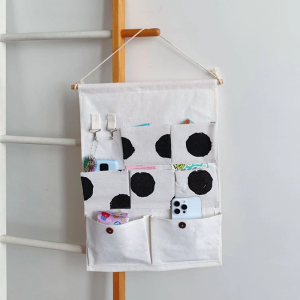 Seven Pockets Storage Hanging Bag-Polka Dots 5026
 1PCS Industrial Chic Black Metal Wall Hook - Saving Wall Mount Organizer
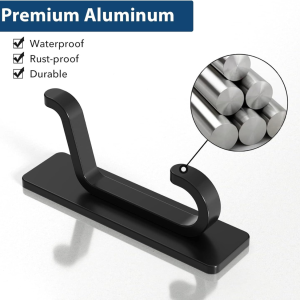 4 Pack 13LB Strong Adhesive Hooks Black Stick-On Wall Hooks For Coats Towels Bathroom Kitchen Home Storage Organization
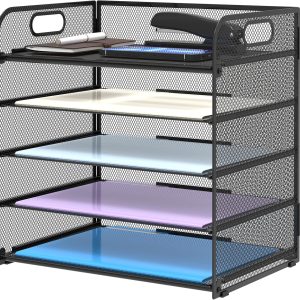 5 Tier Paper Organizer Letter Tray With Handles, Mesh Desk File Holder And Paper Sorter For Office, Home, Classroom & School
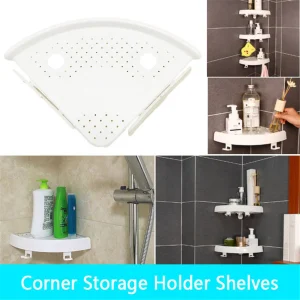 Bathroom Wall Corner Shelf Organizer, Kitchen Corner Storage Rack Non-Marking Shelf with Hooks, Easy to Install (White, One Size)
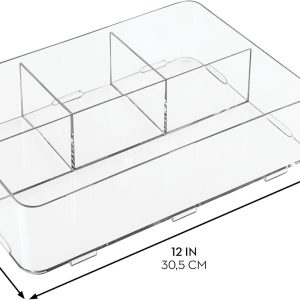 Interlocking 4-Section Drawer Organizer, Clear Plastic Storage Trays For Makeup, Utensils, Jewelry, Office Supplies & Accessories
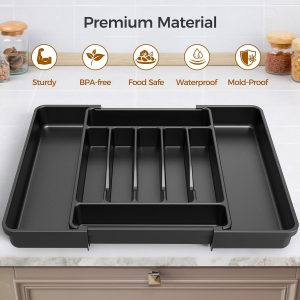 Extra Large Expandable Silverware Organizer, Adjustable Flatware Tray For Kitchen Drawers, Utensil Storage Holder For Forks & Spoons
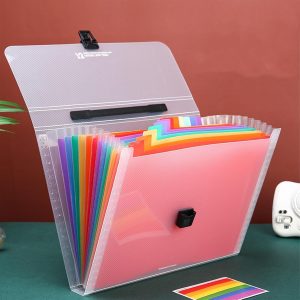 Large Capacity Accordion File Organizer 13 Pockets A4 Rainbow Expanding File Folder For Cards, Letter, A4 Paper, Document
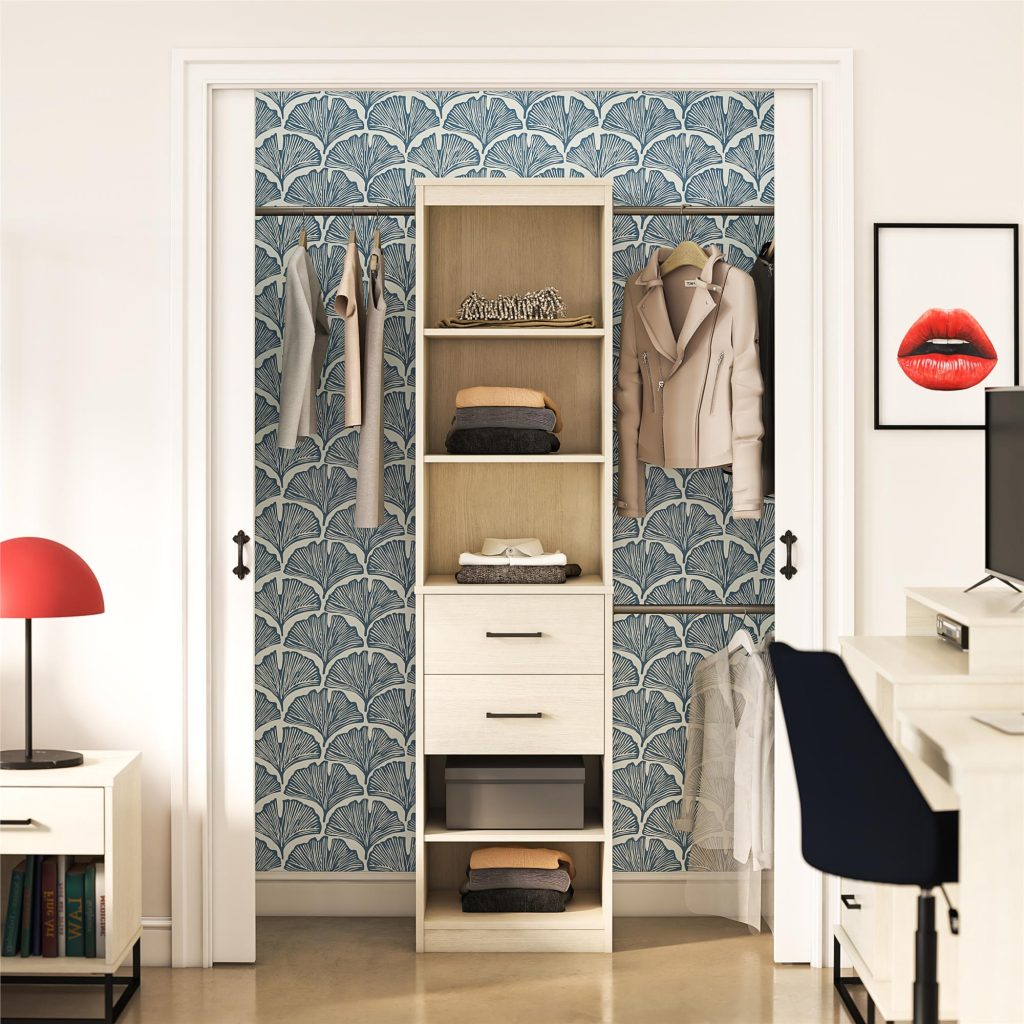
A closet rarely fails because it is too small. It fails because two or three categories are competing for the same level and nothing has a boundary. Getting towels right is a good place to start, because it forces the one decision that matters: what gets a home, and what does not.
- When you must move two things to reach one, stop buying.
- Fold to the drawer’s width, not to the item.
- Leave 5 mm of clearance so nothing binds.
- Give every category one container, then hold the limit.
Why folded things come unfolded
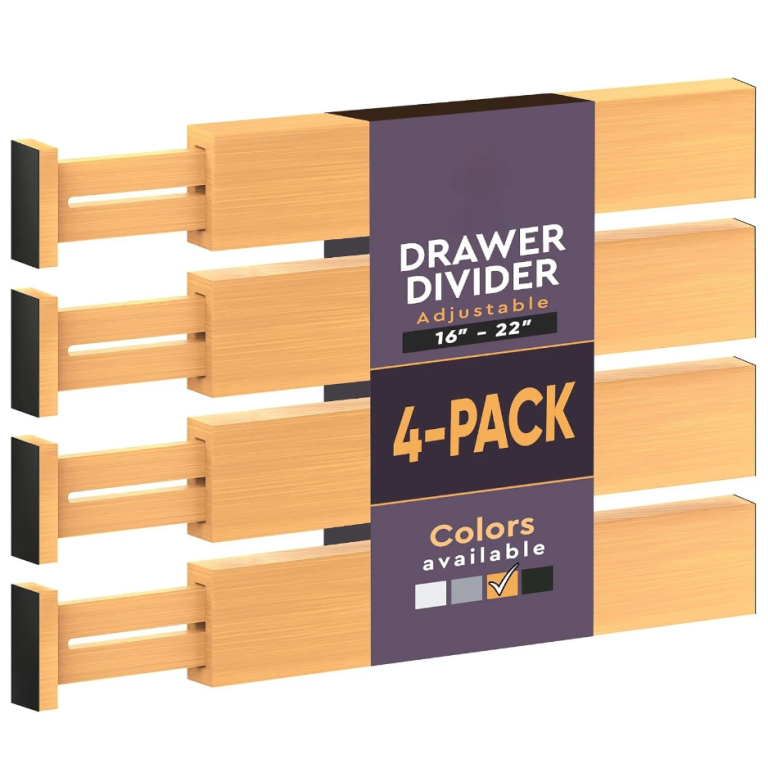
A drawer rarely fails because it is full. It fails because the folded stack has nothing to lean on. Every time the drawer opens, the front item tips forward, and by the third day the stack has collapsed into a heap. The fix is not a better fold or a bigger drawer — it is a boundary. Give each stack a wall to lean against and the fold you already use will hold for weeks rather than days.
Folding is only half the job. A stack of folded clothes is stable while it is compressed and unstable the moment there is slack, which is why the fold that looks perfect on day one is a heap by Friday. The variable you control is depth: a stack should either fill the drawer front to back, so the drawer wall holds it, or sit in a bin that does the same job.
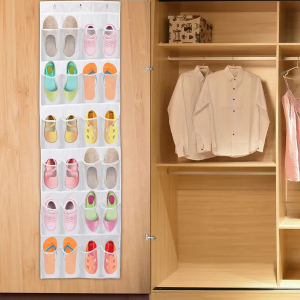
Ships from our US warehouse · 195 g · free US shipping over $49.
Give every category one level, and only one
A closet works when each category has exactly one home. Shirts on the top rail, trousers below, long items at the end where nothing can hang over them. The failure mode is overlap: when shirts and dresses share a rail, the dresses steal the height the shirts needed and both look untidy. One level per category costs nothing and removes almost all of the daily friction.
Then set the levels to the person, not to the closet. The rail should sit at about shoulder height for the person who uses it, and the top shelf should be reachable without a stool for anything used monthly. Everything above that is for the twice-a-year box — and if you find yourself fetching from it weekly, the levels are wrong, not the storage.
The three numbers a closet has to give you
A closet only has three dimensions that matter: rail height, shelf depth, and the clear gap between the rail and the shelf above. Standard hanging needs about 100 cm of clear height for shirts and 150 cm for long dresses; a shelf wants 30 to 35 cm of depth; and the gap above a rail should be at least 20 cm or the clothes will brush the shelf every time the door opens.
If your closet fails on any of those, the fix is usually a second rail rather than a new closet. Dropping a second rail into the space under a shirt rail recovers the dead volume below the hanging clothes, and it is the single highest-yield change you can make to a wardrobe without buying furniture.
What to look for in hanging hardware
For towels, the load rating and the fixing are the two things that decide whether it lasts. A wall-mounted rail wants at least two fixings into a stud or a proper wall plug; an adhesive mount is for light loads on smooth, sealed surfaces only. If the wall is plasterboard and the load is a coat, use a fixing, not glue.
Hangers are worth a moment’s thought too. Flocked slim hangers grip woven fabric, hold their shape, and roughly halve the rail space a wooden hanger takes. Wire hangers should be retired — they distort shoulders and slide off a rail. A single box of matching hangers is one of the cheapest upgrades a wardrobe can get.
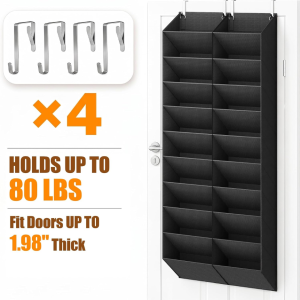
Ships from our US warehouse · 300 g · free US shipping over $49.
How to keep it working after the first week
Most organized spaces drift back within a fortnight, and the cause is almost always the same: one category outgrew its container. When that happens, the instinct is to add a bin. The better move is to remove the overflow. Set a container limit and hold it — if the sock bin is full, a new pair of socks means an old pair leaves. That keeps the system stable without a weekly tidy-up.
The second cause is a container with no home. Anything that has to be moved before it can be used will stop being used. If a bin has to come off a shelf and be opened to reach the thing you need daily, the bin is in the wrong place — swap it for the daily item and put the bin where you can reach it.
When the answer is not more storage
In a genuinely tight space, adding storage has a ceiling. Past a certain point every new container costs more room than it saves, and the closet starts to feel smaller even though it holds more. The signal is when you have to move two things to reach a third. At that point the useful work is subtraction, not addition.
The other honest answer is that some things belong somewhere else. Winter coats do not have to live in the bedroom closet, and the printer does not have to live on the desk. Moving one category out of the space entirely is often worth more than any bin, because it frees a whole level rather than a few centimetres.
See also How to organise a walk-in closet on a budget, and How to store towels in a small bathroom for the wider picture.
Frequently asked questions
- How do I stop folded clothes falling over? Fill the drawer front to back, or put the stack in a bin with a stiff side. A stack that leaves a gap in front of it will always collapse forward.
- Is vertical folding better than stacking? Vertical filing works best in a shallow drawer. In a deep drawer a stack with a boundary holds just as well and is faster to put away.
- How high should a rail be? Around 170 cm for shirts and 110 cm for a second rail of trousers, measured to the centre of the rail. Set it to the user's shoulder, not to a standard.
- Should I hang or fold knitwear? Fold it. Knitwear on a hanger stretches at the shoulders and never recovers. Reserve hanging for woven fabrics and anything structured.
- How deep should a closet shelf be? 30 to 35 cm. Deeper than 35 cm and you cannot reach the back; shallower than 30 cm and folded stacks overhang.