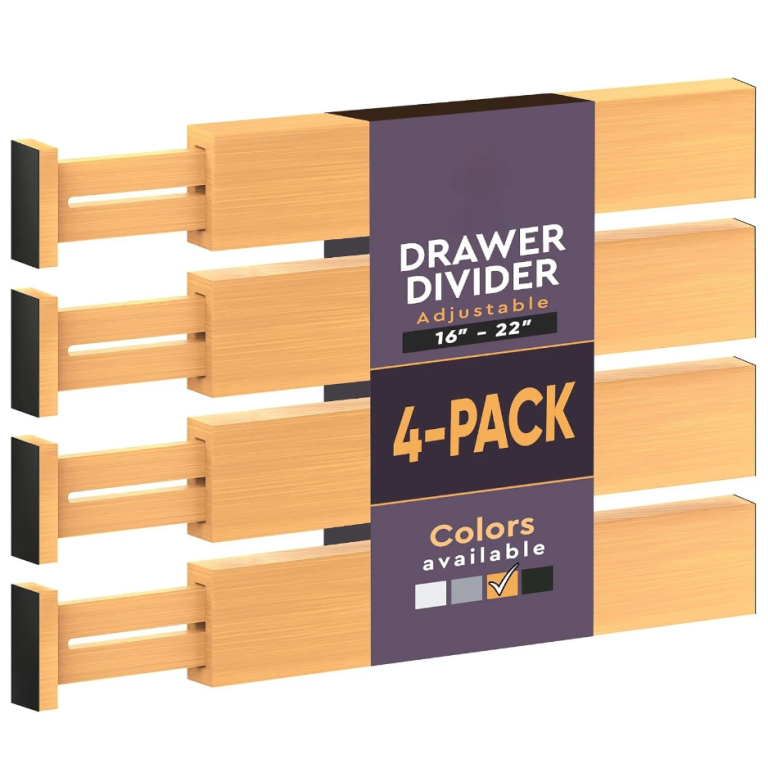
 Cozy Home Wall Hooks Set Warm Metal Coat Hangers With Cute Heart Design Perfect
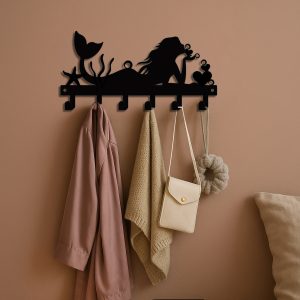 Wall-mounted Single Hanger With Built-in Key Holder,The Decorative Hooks
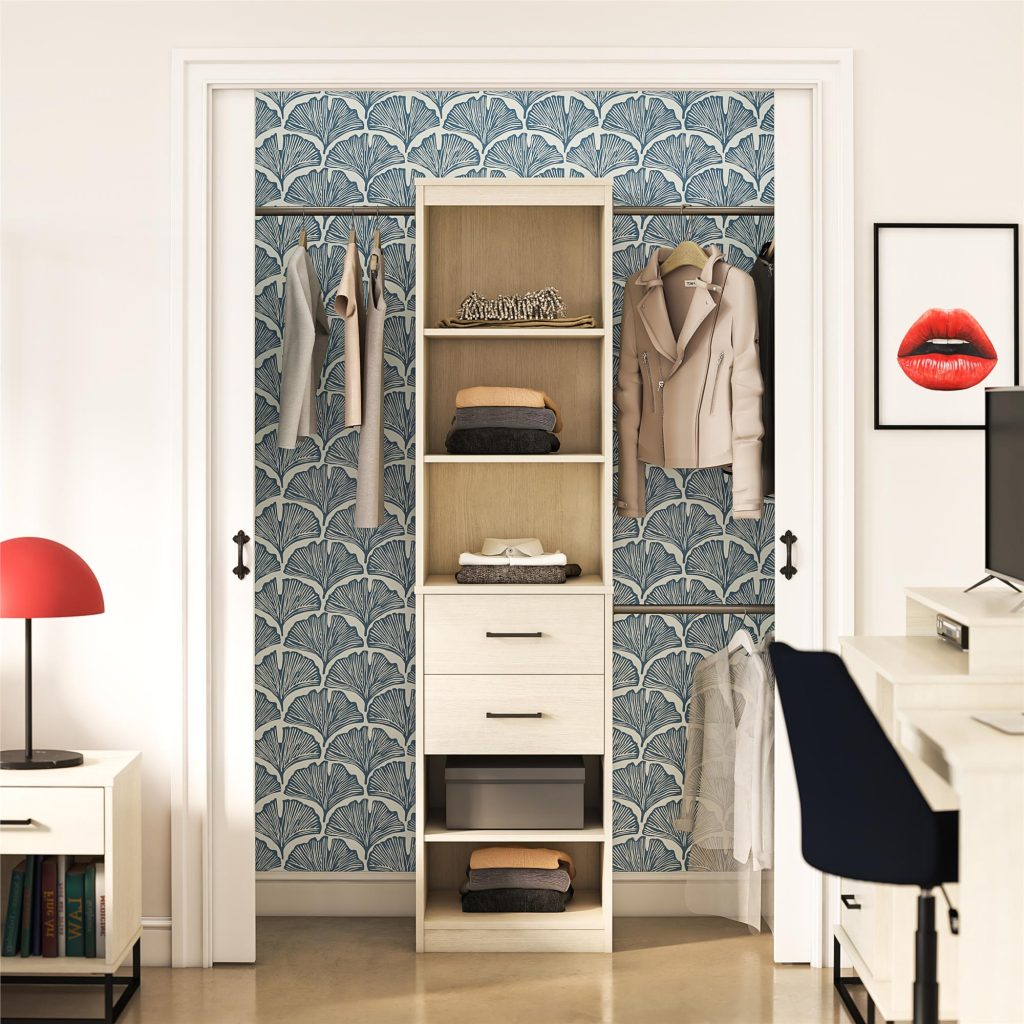
A closet with a single rail and no shelving fails for one reason: everything you own is competing for the same flat surface, and there is no flat surface. The fix is not a bigger closet. It is to add levels — a shelf you can reach, a bin that stacks, and the back of the door, which is the most under-used storage in any home.
- Add levels with stackable bins before you buy anything wider.
- The back of the door adds 20-plus pockets without touching the floor.
- Group by how often you reach for something, not by category.
- Measure the rail-to-shelf gap before ordering a bin.
Why a closet with no shelves gets messy
Storage fails when an item has no fixed place. In a rail-only closet, folded clothes, bags, shoes and boxes all end up on the floor because there is nowhere else for them to go. Adding a shelf is one answer, but a freestanding stackable bin does the same job without tools, and you can move it the day your needs change. The goal is not more volume — it is more distinct places to put things, so that putting something away is a single motion rather than a decision.
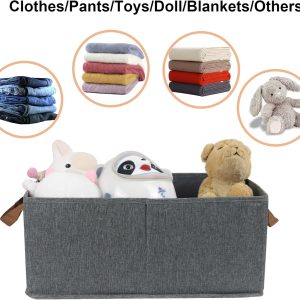
Ships from our US warehouse · 460 g · free US shipping over $49.
Go vertical before you go wider
Most closets have unused height above the rail. A stack of two or three foldable bins uses that height and costs no floor space. Look for a bin with a stiffened side and a handle: a soft bin with no frame collapses the first time you fill it, which is the single most common complaint about cheap closet bins. A clear window is worth paying a little more for, because it saves you opening every box to find one thing. Stack two-high under a standard rail, three-high on a top shelf.
Use the back of the door
An over-the-door organizer turns a blank door into twenty usable pockets and takes no floor space at all. It is the cheapest way to add capacity to a small closet, and it works for shoes, accessories, cleaning supplies and small toys. Fit it on the inside of the closet door if the door closes, or on the room side if it does not. Check the door thickness first — most hangers are rated for a standard interior door and will not sit flush on a thick fire door.
What to put in a bin, and what to hang
Hang anything that creases and that you wear often. Bin anything that is bulky, seasonal or used in a set: knitwear, bags, out-of-season shoes, sports kit. A useful rule is that if you cannot see it without opening a lid, it should be something you reach for less than once a week. Keep the daily items on the rail and in the top bin; move the once-a-year items to the highest level, where you have to make an effort to get them.
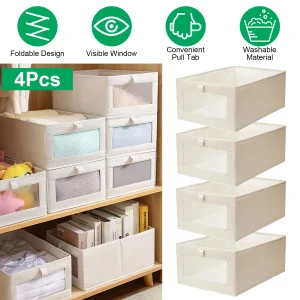
Ships from our US warehouse · 907 g · free US shipping over $49.
How to keep it tidy after the first week
Most organized closets drift back within a fortnight. The cause is almost always that one category outgrew its container. When that happens, do not add a bin — remove the overflow instead. Set a container limit and hold it: if the sock bin is full, a new pair of socks means an old pair leaves. This keeps the system stable without a weekly tidy-up, and it is the reason a closet with fewer, well-sized containers stays neat longer than one crammed with extras.
When to stop buying and start removing
Storage products are not a substitute for editing. Before you buy a fourth bin, take everything out and put back only what you used in the last year. Most people find a full third of a closet is dead weight: clothes that do not fit, cables for devices they no longer own, and half-used sets. Removing that first means the storage you already have works better, and the bin you were about to buy is often unnecessary.
If your closet is mostly drawers, the same logic applies one level down — see our guide to choosing the right drawer divider size. And if the real problem is the seasonal swap, storing out-of-season clothes covers that in detail.
Frequently asked questions
- Can I add a shelf without drilling? Yes — a freestanding stackable bin system adds levels without a single hole, and it moves with you.
- How do I measure for a closet bin? Measure the gap between the rail and the shelf above, and the depth of the shelf. Most bins stack two-high under a standard rail.
- Are clear bins better than opaque? Clear bins save time because you can see the contents. Opaque bins look tidier on an open shelf. Many people use clear for daily items and opaque for the top shelf.
- What is the best thing to store on the door? Shoes, accessories and cleaning supplies — anything small, light and used often.
- How often should I re-edit a closet? Twice a year, at the seasonal change, is enough for most homes.